
4 Weeks Pregnant
At 4 weeks pregnant your baby is about the size of a poppy seed. You are in the first trimester, and this week brings its own small changes — for your baby and for you.
How many months is 4 weeks pregnant?
4 weeks is about 1 months. Pregnancy months do not divide evenly into weeks, so counting in weeks is more precise. In the pregnancy calendar, this falls in month 1.
A pregnancy test can turn positive this week.
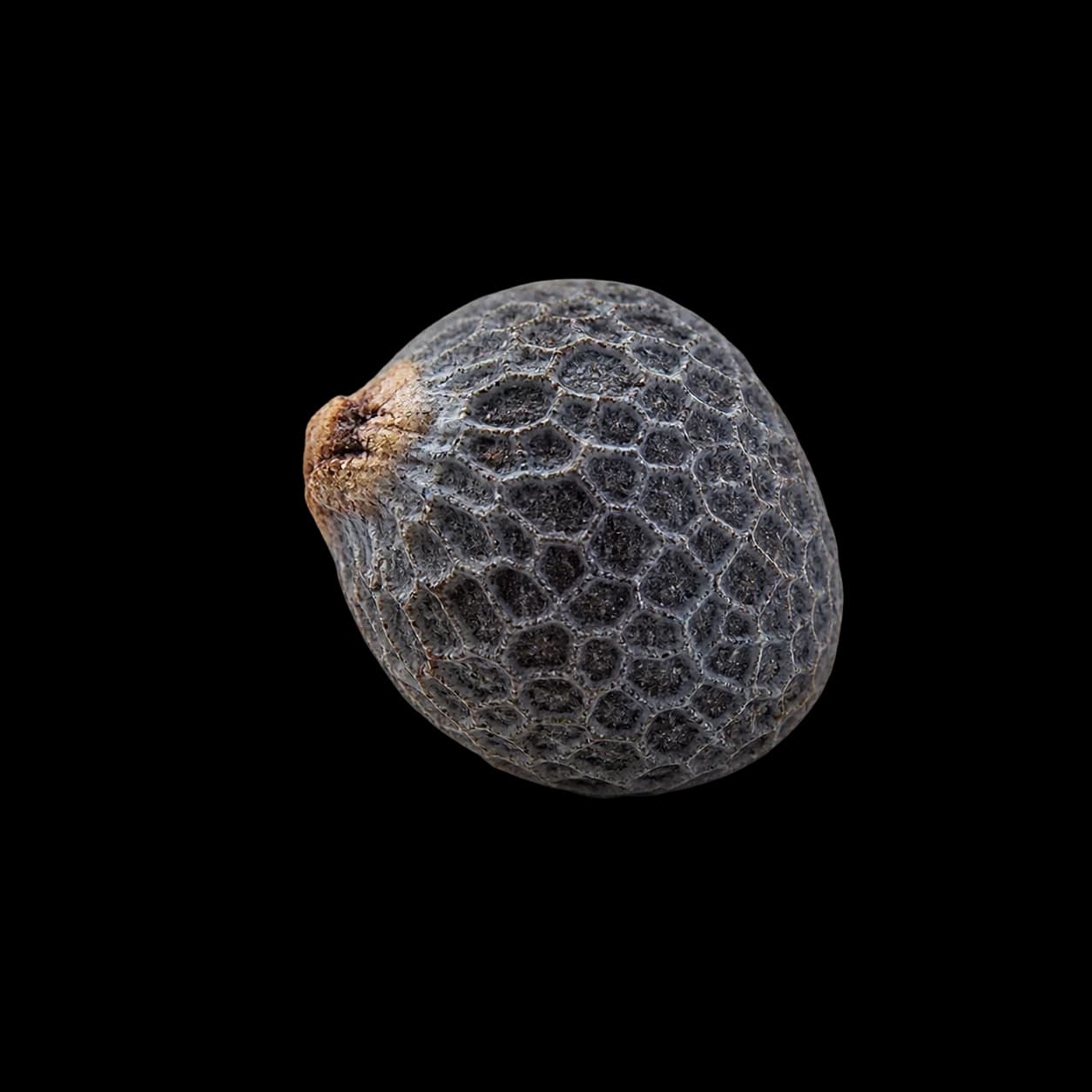
- Size of
- a poppy seed
- Length
- 1 mm
- Weight
- —
- Trimester
- 1
Your baby this week
- The ball of cells settles into the lining of your uterus — this is implantation.
- The cells that will become the placenta begin to form and produce hCG.
- Three layers of cells appear; each will become a different part of your baby.
Your body this week
- hCG becomes detectable, which is what a pregnancy test measures.
- Your period is due about now — a missed period is often the first sign.
Common symptoms
- Light spotting, which can be implantation bleeding
- Tender, heavier breasts
- Deep tiredness, even after a full night of sleep
What to expect
Early pregnancy can feel invisible from the outside and very loud on the inside. Symptoms come and go from day to day, and that is normal. With 36 weeks to go, the priority this week is rest, gentle food and your first antenatal appointment.
Tips for this week
- A home test is most reliable from the day your period is due.
- Book your first antenatal appointment — most take place between weeks 8 and 12.
- Stop alcohol and smoking, and check any medication with your doctor.
Frequently asked questions
How big is my baby at 4 weeks?
At 4 weeks your baby is around a poppy seed — roughly 1 mm long and about —. Healthy babies vary a lot around these averages.
What symptoms are normal at 4 weeks pregnant?
The most common ones this week are listed above. Contact your doctor or midwife about heavy bleeding, severe pain, a fever, or any change in your baby’s movements.
Pregnancy weeks are counted from the first day of your last period, so week 1 begins before conception.
This article is for general information only and is not medical advice. Always talk to your doctor or midwife about your own pregnancy.